The 7 Best Natural Stone Finishes

The choice of finish is one of the most decisive moments in transforming natural stone. Beyond defining the visual character of a space, it influences how light is reflected, the texture, durability, and even the perception of elegance or rusticity. The same marble, limestone, or granite can take on completely different expressions depending on whether it is polished, honed, brushed, or bush-hammered, allowing it to adapt to classic, contemporary, or industrial-inspired spaces.

Below, we’ve gathered 7 of the most commonly used finishes, selected from the solutions offered by Natstone, and which best meet the expectations of decorators, builders, and architects seeking quality, customisation, and beauty.
1. Polished

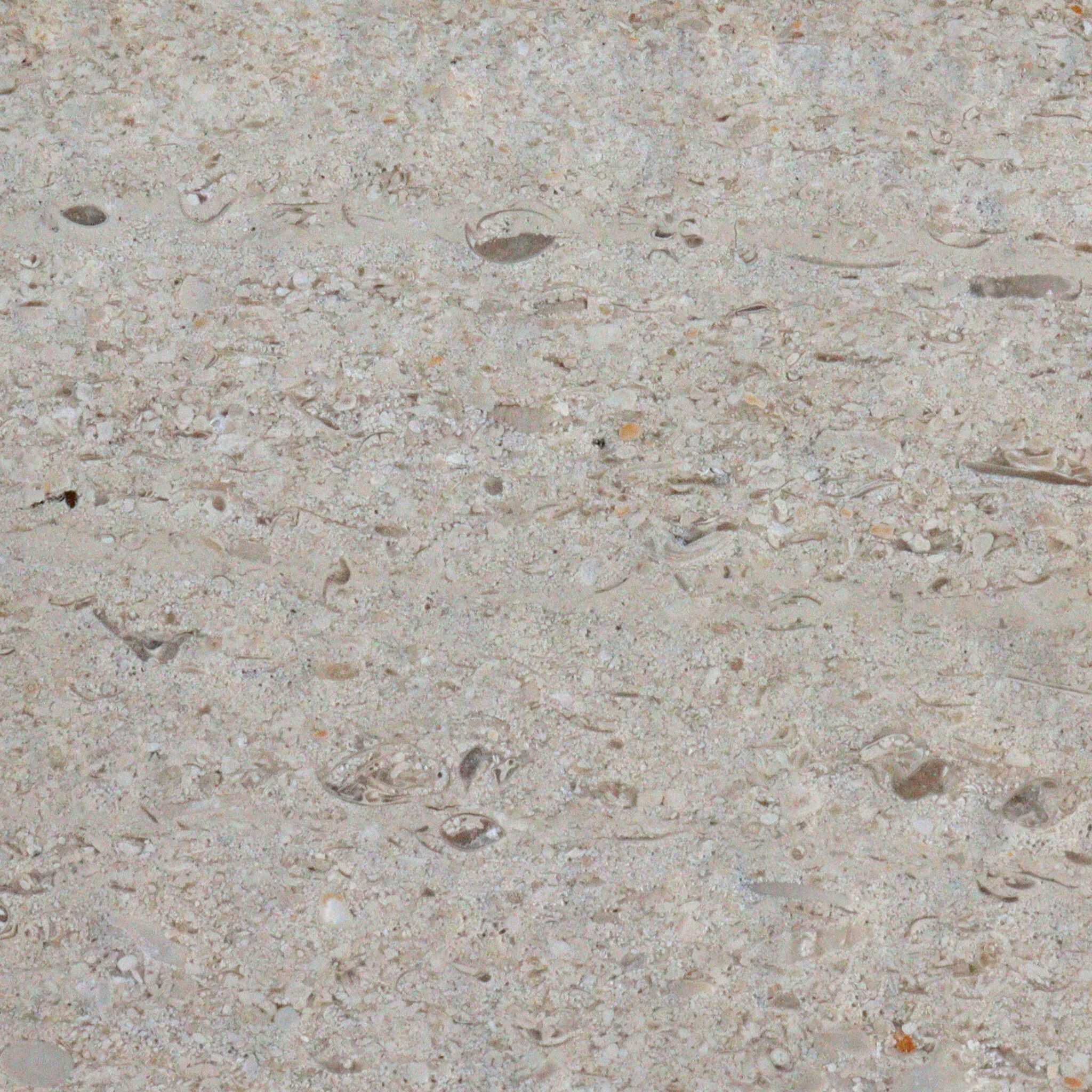
The polished finish is the one that most clearly reveals the intrinsic elegance of natural stone. Its perfectly smooth and reflective surface provides an intense shine and deeply saturated colour, highlighting the grain, veining, and every nuance of the material. On floors and walls, it acts almost like a subtle mirror, visually expanding the space and enhancing lighting design, making it especially suitable for contemporary interiors focused on luxury and sophistication.

Due to its resistance and ease of cleaning, the polished finish is widely used in kitchen countertops, sinks, bathroom countertops, basins, social-area flooring, and decorative walls. It reinforces the sense of refinement, elevates the value of the raw material, and ensures stable, flat, and durable surfaces—ideal for projects that demand a high standard of quality.

2. Honed

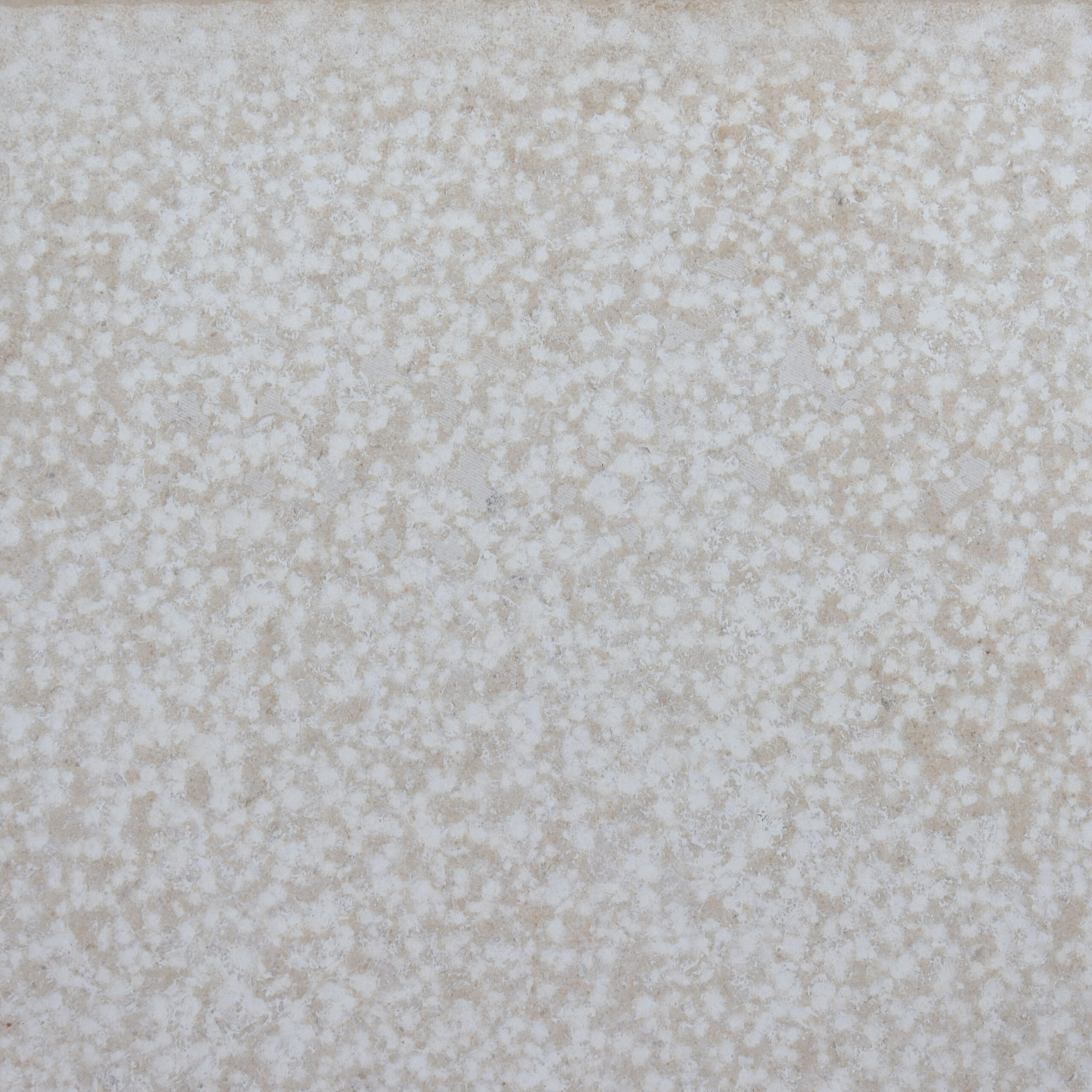
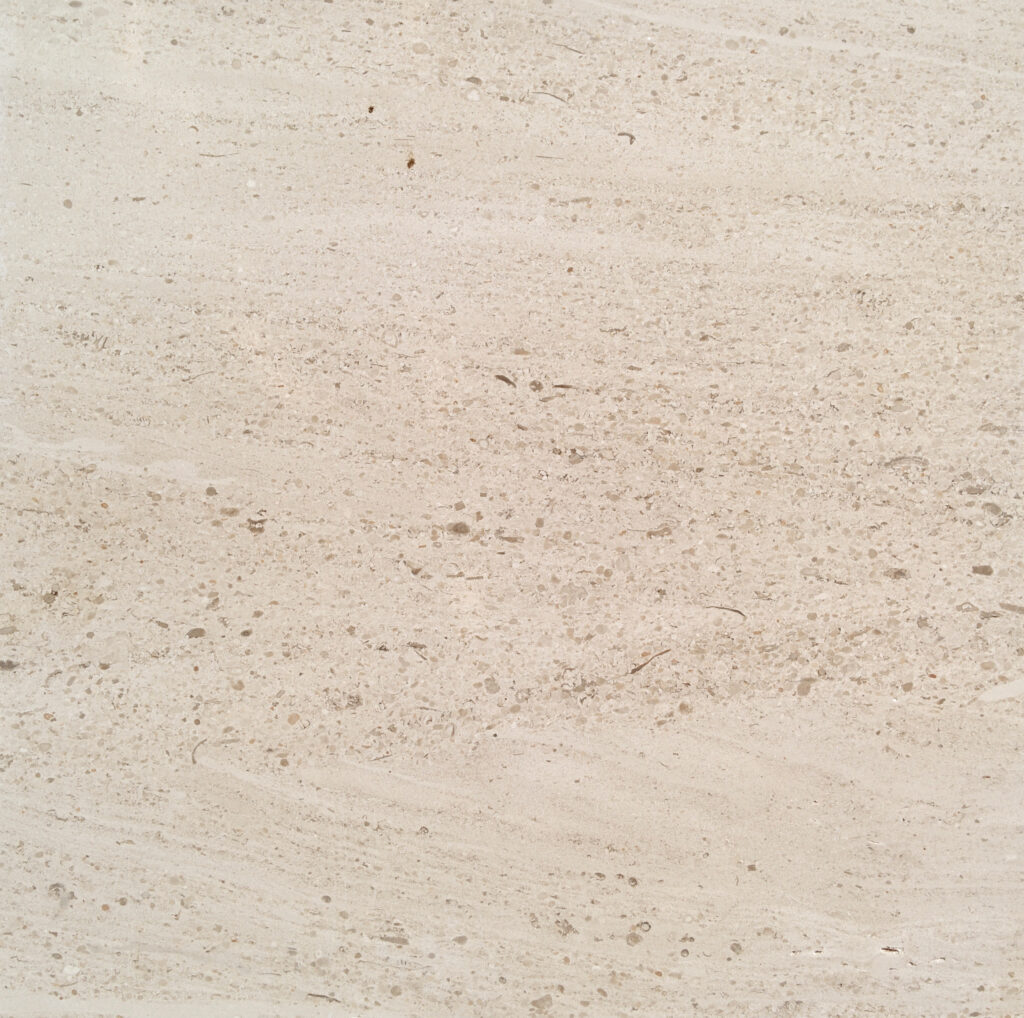
The honed finish, also known as amaciado, is an alternative to the polished finish for those seeking elegance with less shine. Like the polished option, it creates a completely smooth and soft surface, but with a matte, more muted appearance and no intense reflections. This characteristic reveals the stone’s true colour and subtle pattern, conveying a sense of comfort, sobriety, and warmth—ideal for discreet contemporary interiors.

Thanks to its pleasant touch and strong resistance to daily use, the honed finish is highly sought after in kitchens, bathrooms, and high-traffic areas, whether for flooring, wall cladding, or countertops. It offers an appealing balance between functionality and aesthetics. It reduces the visual impact of superficial scratches, integrates easily into different design styles, and enhances natural stone without the bold shine of a polished finish.

.

3. Brushed 

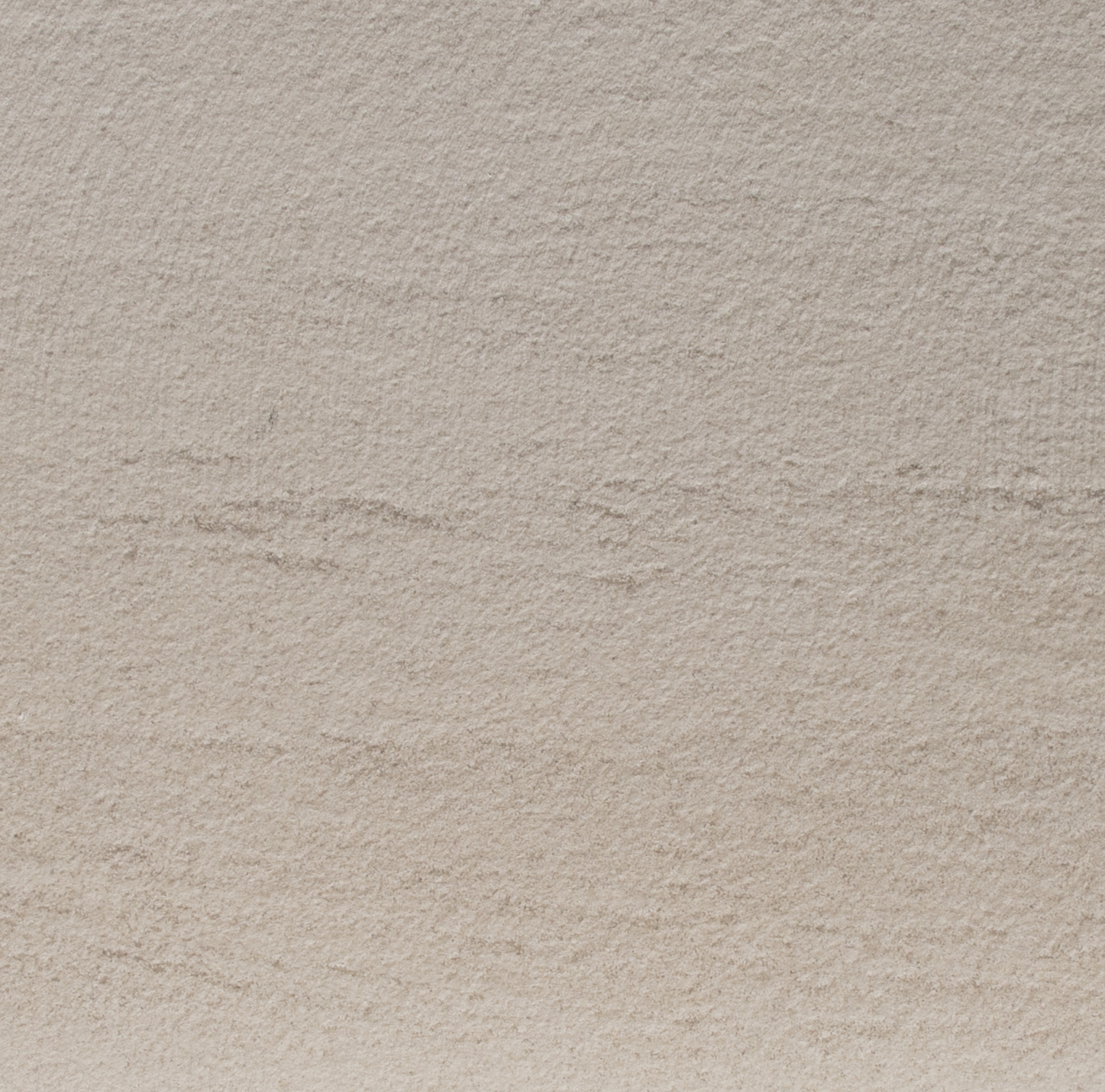
The brushed finish is achieved through the mechanical action of abrasive brushes applied to the surface of the natural stone. This process gently wears down the uppermost layer, creating a soft texture with slight roughness that maintains the stone’s original structure while giving it a distinctly handcrafted touch.

Beyond its aesthetic appeal, the brushed finish improves slip resistance, making the surface less slippery without compromising comfort to the touch. The intensity of the brushing can be adjusted, resulting in smoother or more pronounced textures depending on the desired style. It is widely used in pool copings, social-area flooring, transitional zones, and indoor–outdoor spaces, where a balance between safety, naturality, and discreet elegance is required.

4. Bush-hammered

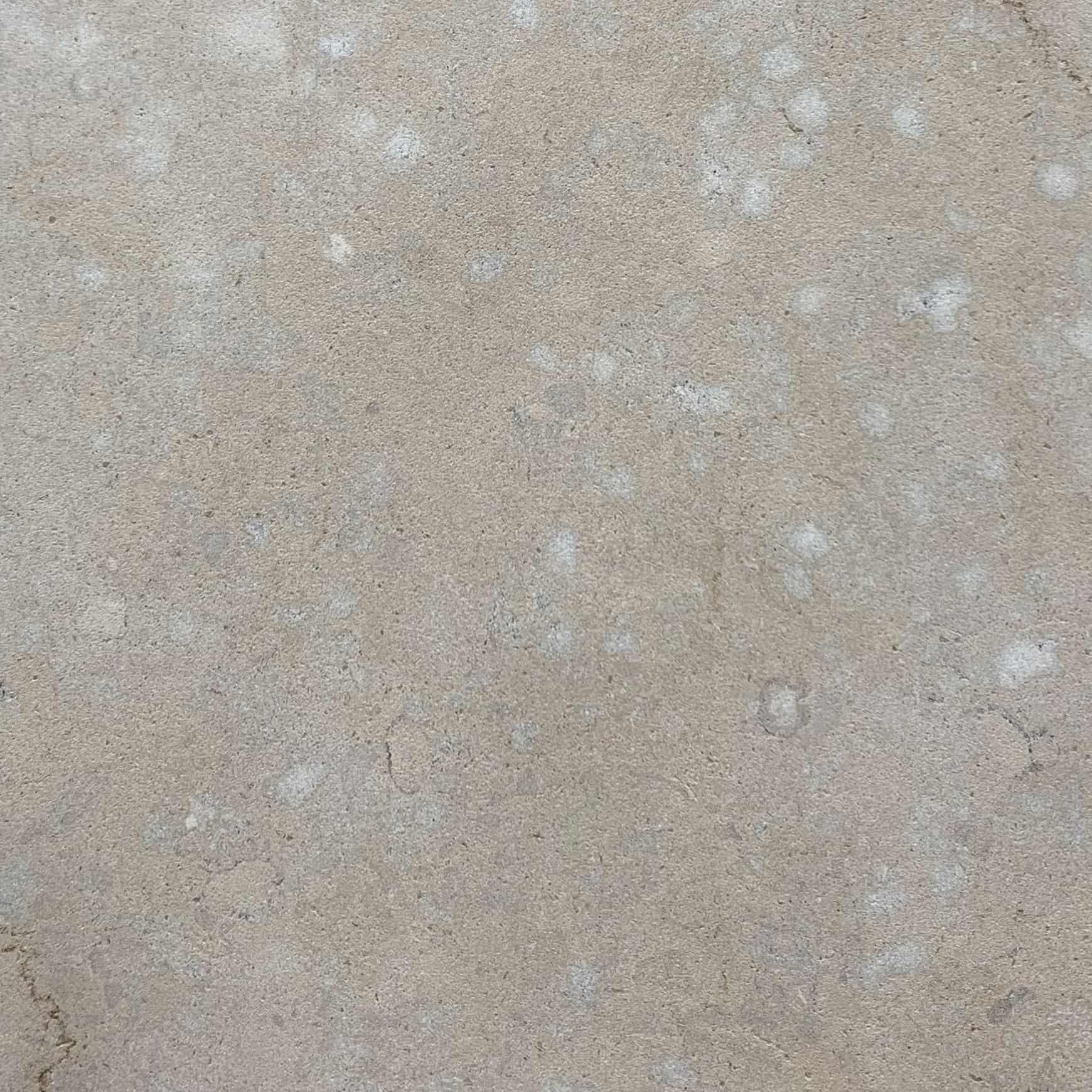
The bush-hammered finish is one of the most traditional in natural stone processing, known for its rough, non-slip, and grainy surface, rich in texture and depth. It is created using mechanical tools or pneumatic hammers that repeatedly strike the surface, forming small indentations that result in an even, textured appearance. This process often lightens the stone slightly, softening natural colour variations and giving it a more uniform look.

Thanks to its robust texture, the bush-hammered finish is widely used in flooring and outdoor areas where safety and grip are essential. In interior projects, it takes on a more scenic role: it is often applied to feature walls, decorative panels, or architectural accents, working as a striking contrast to smoother finishes such as polished or honed surfaces.

5. Sandblasted

The sandblasted finish, also known as areado, is achieved by projecting abrasive particles onto the surface of the stone. This process creates a matte, flat, and finely textured layer that enhances the material’s colour and gives it a technical, contemporary appearance. The resulting surface is semi-rough and slip-resistant—less coarse than a bush-hammered finish, yet slightly more irregular to the touch than a brushed finish, while still maintaining a comfortable contact.

Thanks to its balance of safety and aesthetics, the sandblasted finish is highly suitable for indoor flooring, especially in high-traffic areas, as well as shower bases, staircases, and anti-slip zones.

6. Split-Faced

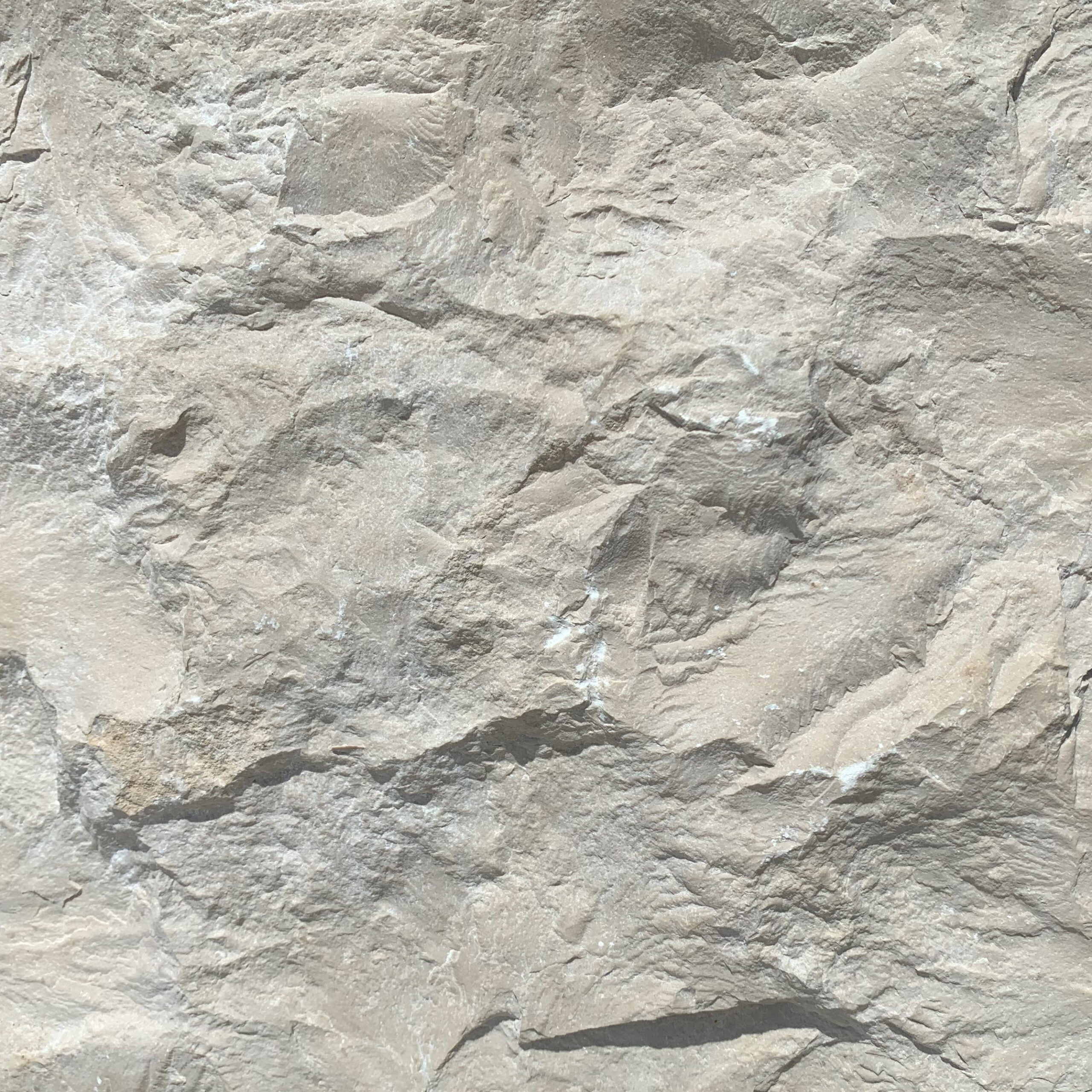
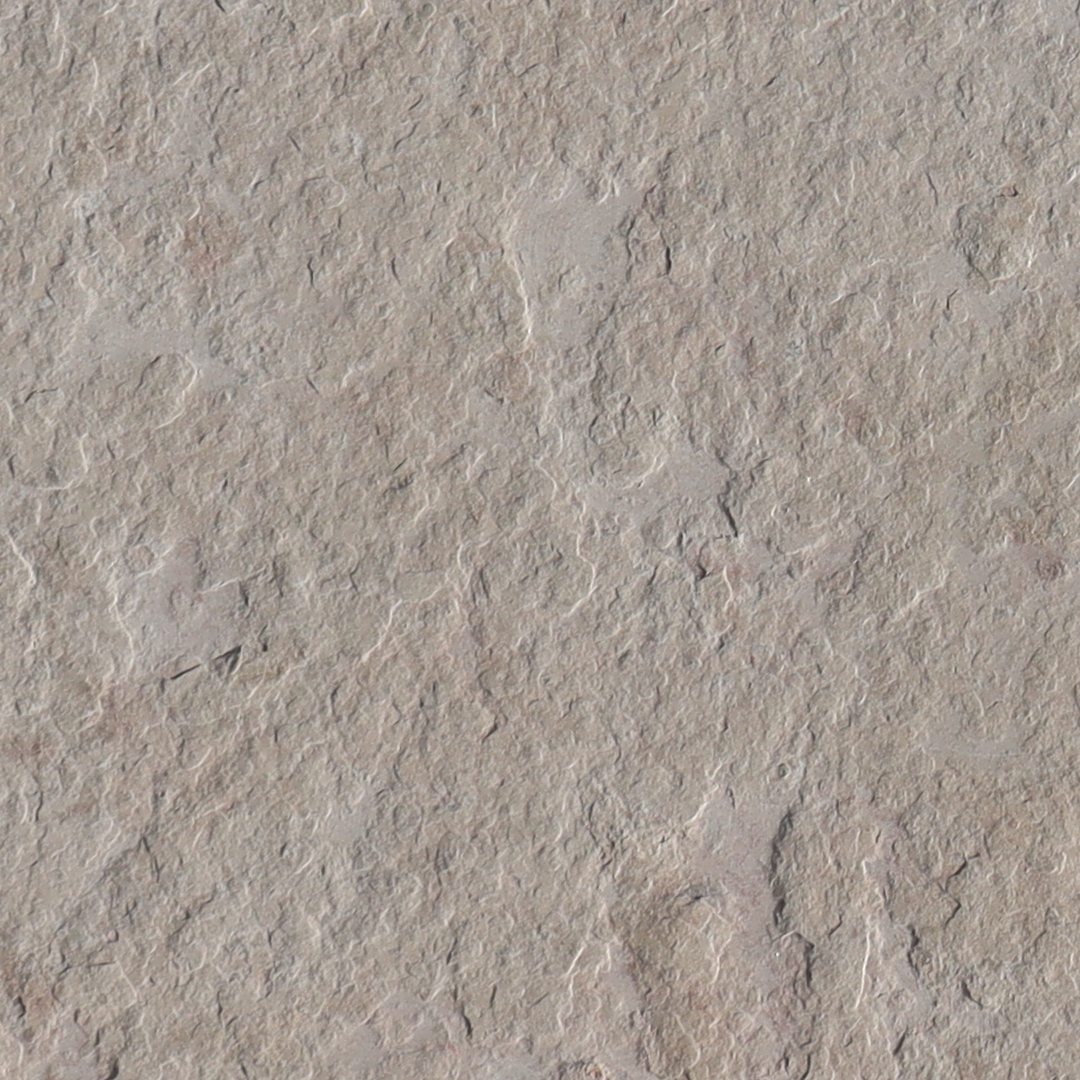
The split-faced finish gives the stone a hand-chiselled appearance, immediately evoking tradition and sculptural craftsmanship. It results from a manual process — escacilhar — in which the artisan chips away at the surface, creating a markedly rough, irregular, and highly expressive texture.

Although historically more associated with exterior cladding than with flooring, the split-faced finish has been gaining prominence in interior design as a strong visual statement. On feature walls, panels, or architectural frames, it creates sophisticated contrasts, especially when paired with polished or honed surfaces. The result is a play of light and shadow that enhances the stone’s relief and adds character to the space.

7. Flamed

The flamed finish is created by applying a direct, high-temperature flame to the surface of the stone. When heated in a controlled manner, the silica within the material expands and causes the top layer to fracture, breaking the original smooth texture and revealing a rough surface with slight irregularities. The result is a highly technical finish with a naturally matte appearance and a pronounced texture.

Among all finishes, this is the one that provides the best anti-slip properties, making it particularly suitable for poolside areas, exterior steps, heavy-traffic flooring, and public spaces. Indoors, it is often used in kitchens or high-circulation areas where safety and resistance to wear are essential. An additional advantage is that the stone can be flamed even after installation, allowing adjustments to performance and appearance during renovation or aesthetic update projects.

Beyond these finishes, Natstone develops customised solutions which, combined with the quality of Portuguese natural stone, make it possible to create durable, sustainable, and visually distinctive spaces.

If your project demands design, innovation, and high-performance finishes, natural stone crafted by Natstone is the ideal foundation for achieving results that stand the test of time.

, , , , , , ,