
In a context where architecture, design, and sustainable construction play a central role, the choice of materials becomes decisive. Between natural stone and industrial materials, the differences are profound and are reflected in durability, aesthetics, and the environmental impact of projects. For architects, builders, and interior designers, understanding these advantages is essential to creating solutions of high quality and timeless beauty.
A long-term investment
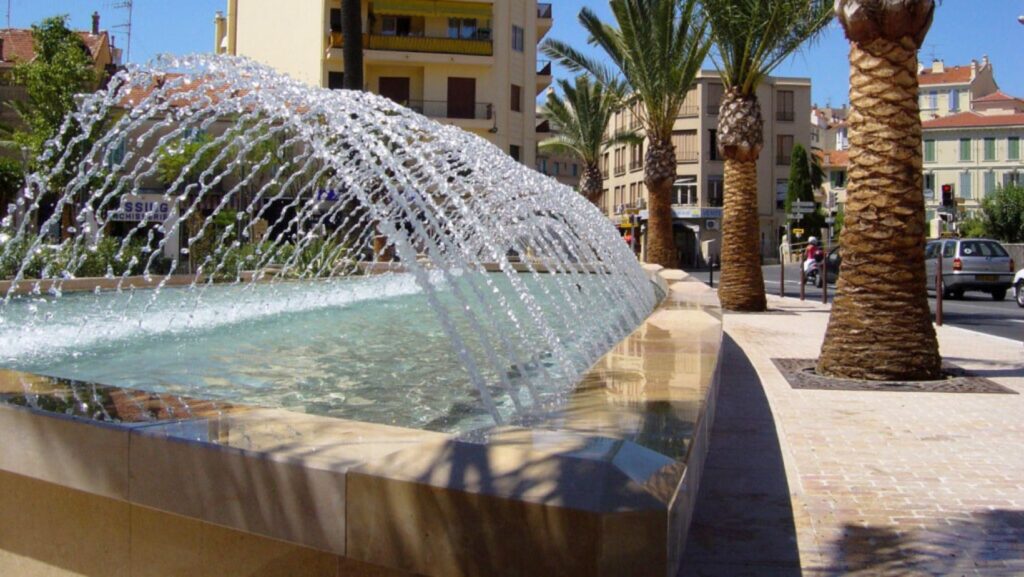
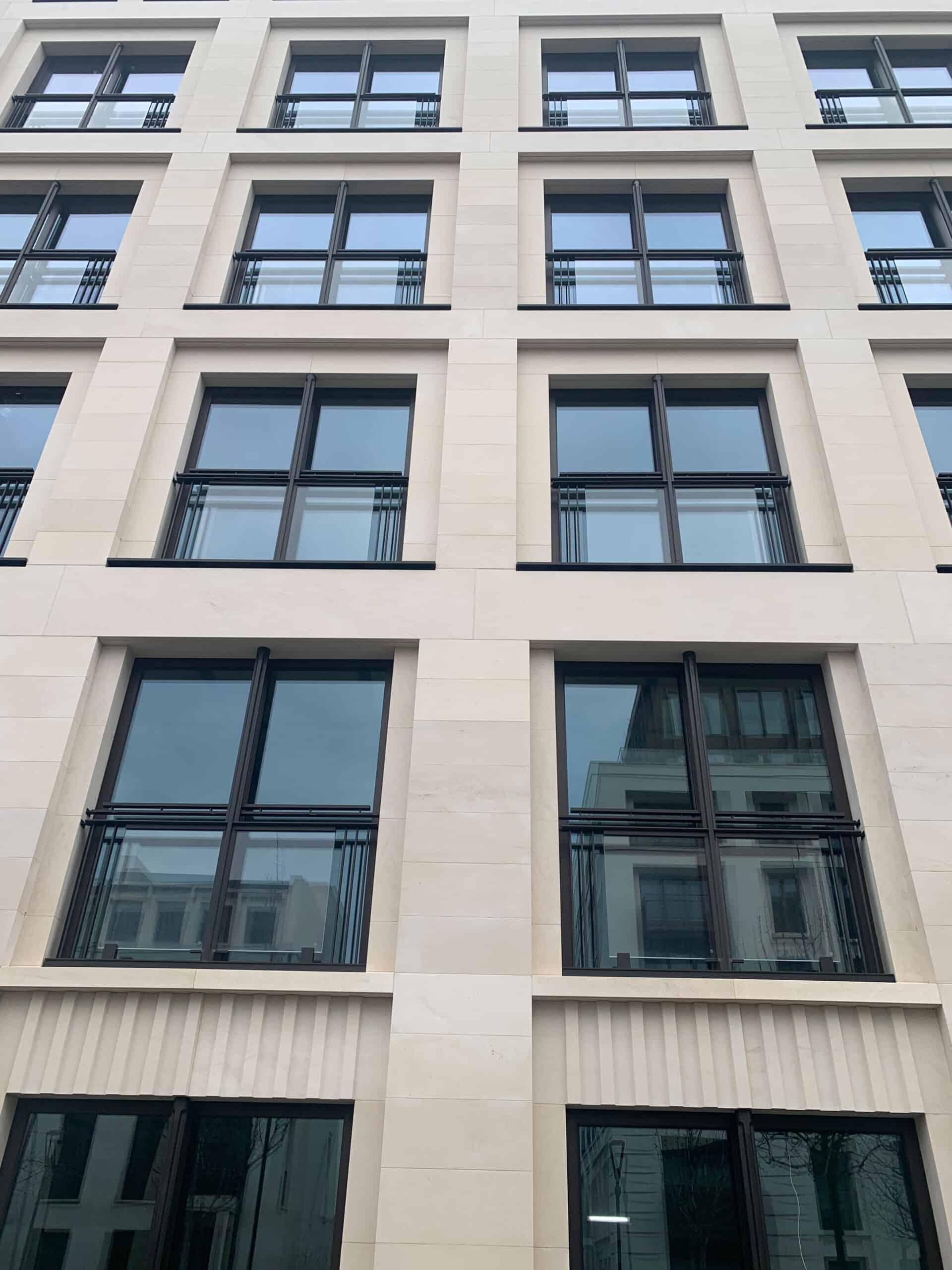
Natural stone stands out for its structural strength and proven longevity over centuries. Used in façades, flooring, urban elements, and historic monuments, it maintains its physical properties even in demanding environments. Unlike many industrial materials, which may suffer accelerated wear, natural stone ages with character, reducing maintenance and replacement costs.
In the processing of natural stone, Natstone combines artisanal tradition with advanced technology, ensuring precision in finishes and high technical performance, whether in new construction or in the rehabilitation of historic buildings.


Aesthetics
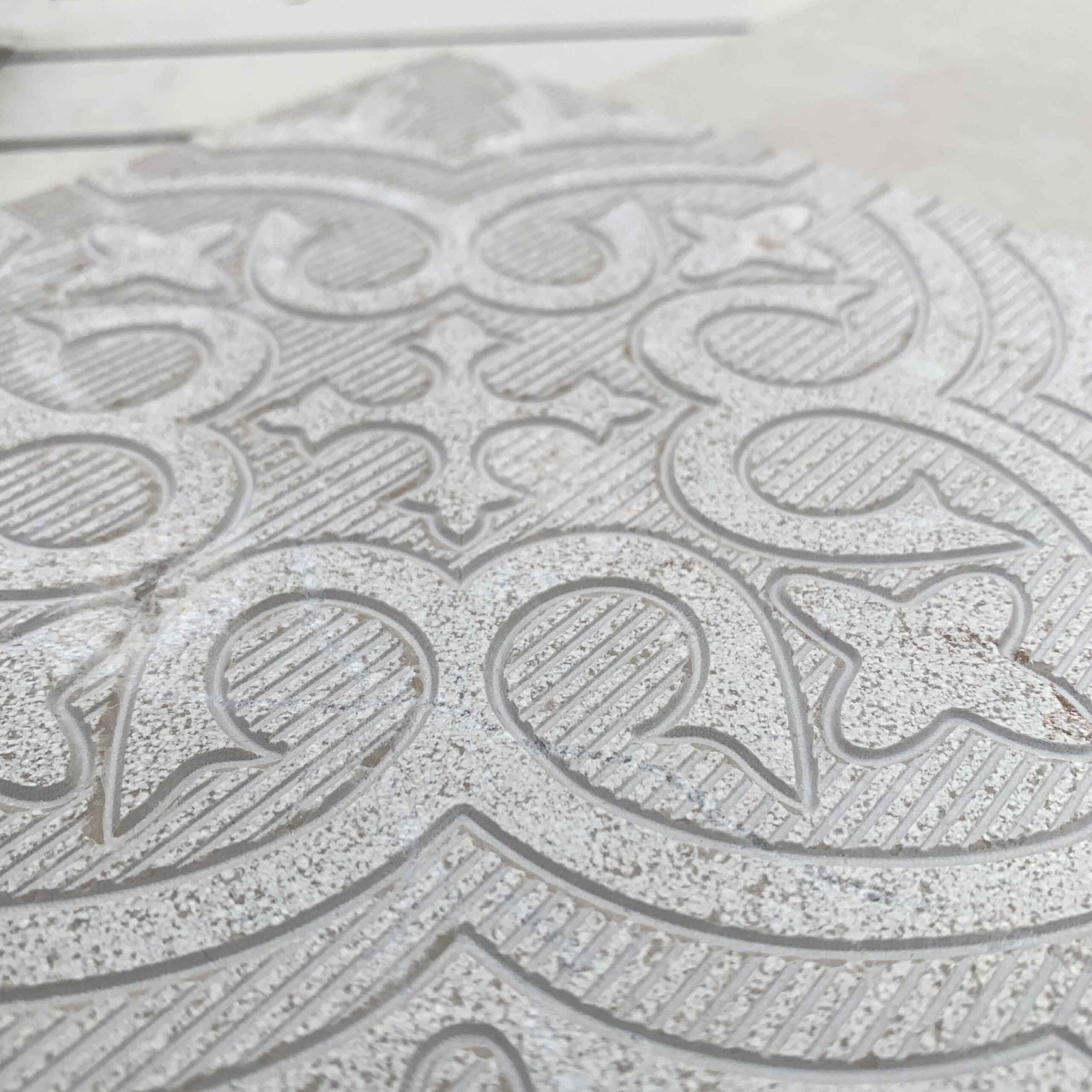
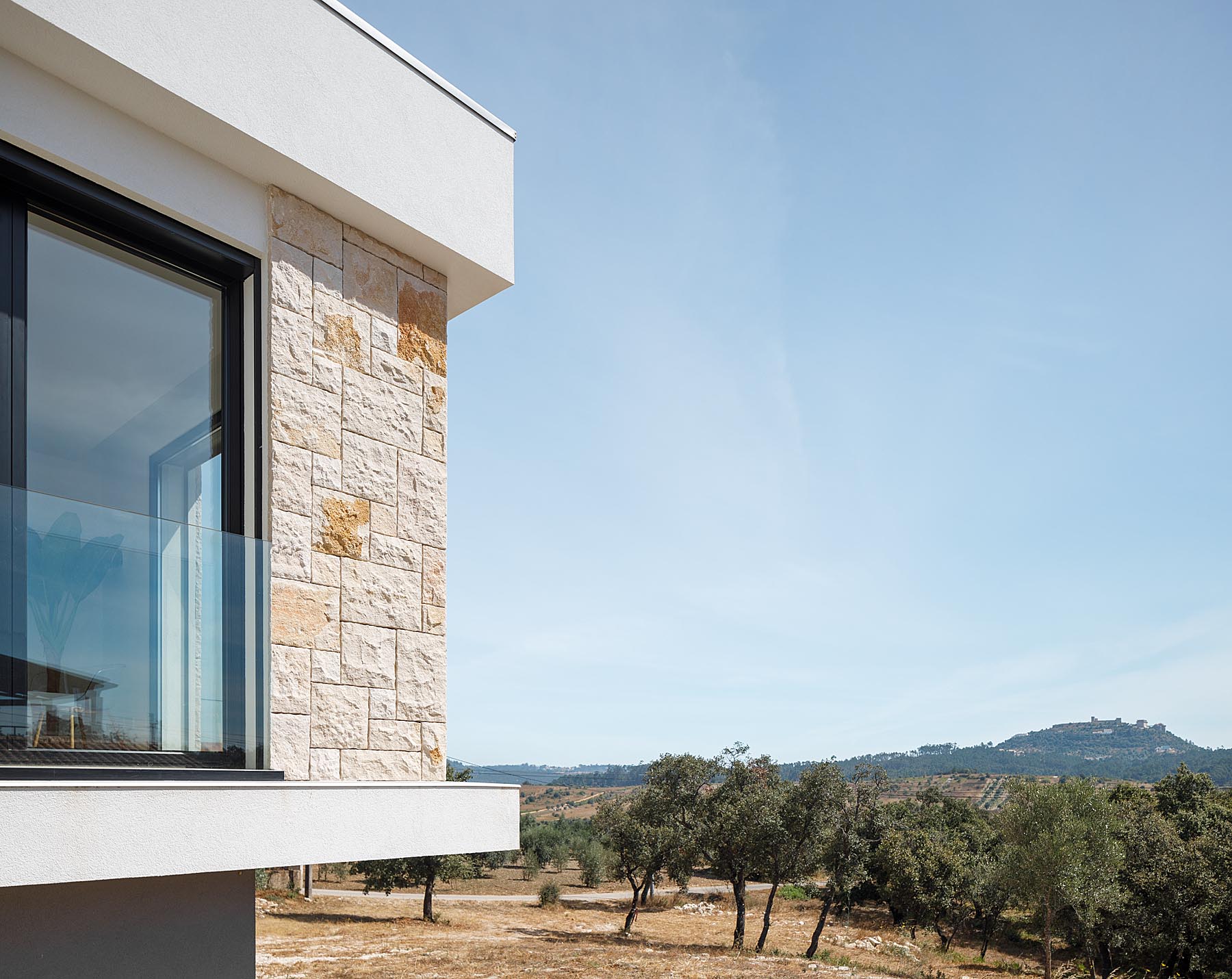
From an aesthetic perspective, natural stone offers a unique richness of textures, colours, and veining that is impossible to replicate artificially. Each piece is singular, allowing a high degree of customisation in both interior and exterior projects. This authenticity brings elegance and added value to spaces, meeting the demands of contemporary design while maintaining a strong connection to tradition.
Industrial materials, although uniform and predictable, lack the visual depth and artisanal character that natural stone provides. For projects seeking identity and differentiation, the choice becomes evident.
Sustainability
Sustainability is now an unavoidable criterion. Natural stone is one of the most sustainable materials in construction: it is durable, recyclable, and requires fewer chemical processes in its production. When extracted and processed responsibly, it has a significantly lower environmental footprint than many industrial materials.
In Portugal, the abundance and diversity of geological resources help reduce transport distances and emissions, strengthening competitiveness in the international market. Natstone, with a strong export focus, invests in creative solutions that combine innovation, production efficiency, and respect for the environment.
Comparing natural stone with industrial materials is to compare craftsmanship with mass production, durability with obsolescence, and timeless beauty with passing trends. For architectural and construction projects that value quality, design, and environmental responsibility, natural stone remains the premium choice.
Natstone positions itself as a strategic partner in the transformation of natural stone, offering technical and aesthetic solutions that meet the demands of the present without compromising the future.